Oman Launches Smart Mobility
Oman is quietly transforming itself into one of the Middle East’s most connected, efficient, and future-ready nations. From state-of-the-art highways and intelligent traffic systems to world-class airports, modern ports, and expanding public transport, the Sultanate has built a transportation network that supports economic growth, tourism, and a high quality of life. As the country advances its ambitious Vision 2040 strategy, transportation has become far more than simply moving people from one place to another. It is powering commerce, attracting international investment, strengthening regional connectivity, and creating smarter, safer cities for future generations. Today, Oman stands as a shining example of how modern infrastructure can drive national progress while preserving sustainability and enhancing everyday life.
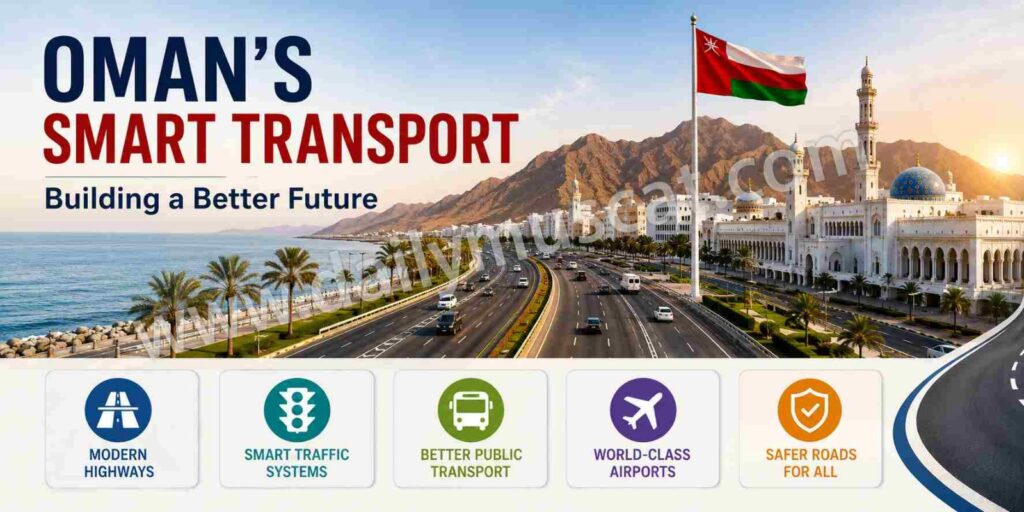
Driving through Oman is a remarkable experience. Smooth multi-lane highways, carefully engineered interchanges, and beautifully maintained roads stretch across mountains, deserts, coastlines, and thriving cities. Whether travelling between Muscat and Sohar, exploring the historic city of Nizwa, heading towards the breathtaking mountains of Jebel Akhdar, or enjoying the lush landscapes of Salalah, motorists experience one of the Gulf region’s most reliable road networks. Major routes such as the Muscat Expressway and Al Batinah Expressway have dramatically improved connectivity by reducing travel times, easing congestion, and supporting safer journeys. These highways not only improve daily commuting but also strengthen trade, tourism, and industrial development across the Sultanate.
Modern cities require intelligent traffic management, and Oman continues to embrace innovative technologies that make transportation faster, safer, and more efficient. Advanced traffic monitoring centres oversee road conditions around the clock, while smart traffic signals adapt to changing traffic volumes to improve vehicle flow. Digital information boards provide motorists with timely travel updates, helping reduce delays and improve the overall driving experience. High-definition surveillance systems and rapid emergency response teams ensure incidents are handled quickly, minimising disruptions and enhancing public safety. This integration of technology reflects Oman’s commitment to building smart cities that improve everyday life.
Safety remains at the heart of Oman’s transportation strategy. Continuous investments in road engineering, modern signage, improved lighting, pedestrian facilities, and driver education have strengthened road safety standards throughout the country.
Public awareness campaigns encourage responsible driving by promoting:
- Respect for speed limits
- Consistent seatbelt use
- Safe overtaking practices
- Avoiding distractions such as mobile phones
- Careful driving during rain and challenging weather conditions
Together, these initiatives contribute to creating safer roads for residents and visitors alike.
Oman’s public transport system continues to evolve to meet the needs of a growing population and increasing tourism. Modern, air-conditioned buses provide reliable services within Muscat and connect major cities including Sohar, Nizwa, Duqm, Sur, and Salalah. Comfortable seating, affordable fares, and expanding routes make public transport an increasingly attractive option for commuters, students, and visitors. Future mobility initiatives are expected to introduce even smarter transport solutions that improve convenience while supporting environmental sustainability.
The Sultanate has invested significantly in aviation infrastructure, creating modern airports that deliver exceptional passenger experiences. Muscat International Airport serves as the country’s primary aviation gateway, while airports in Salalah, Sohar, and Duqm continue to support tourism, business travel, and regional development.
Passengers benefit from:
- Spacious modern terminals
- Efficient immigration procedures
- Advanced baggage handling systems
- High international safety standards
- Expanding global flight connections
These facilities position Oman as an increasingly attractive destination for travellers and investors from around the world.
Oman’s strategic location along some of the world’s busiest shipping routes gives the country a major competitive advantage.Its modern ports play a vital role in connecting Asia, Europe, Africa, and the Middle East through efficient maritime trade.
These logistics hubs support:
- International shipping
- Industrial exports
- Manufacturing supply chains
- Energy transportation
- Import and export operations
The continued development of logistics infrastructure strengthens Oman’s reputation as a trusted global trading partner.
Transportation has become one of the strongest foundations of Oman’s economic diversification. Reliable infrastructure enables businesses to move goods quickly, reduce operating costs, and expand into international markets. Modern transport networks support key industries including:
- Tourism
- Manufacturing
- Mining
- Fisheries
- Agriculture
- Renewable energy
- Construction
- International logistics
By improving connectivity, Oman continues to attract foreign investment while creating new employment opportunities across multiple sectors.
Environmental responsibility is increasingly shaping the future of transportation in Oman. The country is investing in sustainable urban planning, cleaner mobility solutions, and digital technologies that reduce congestion while improving energy efficiency. As smart mobility continues to evolve, Oman is well positioned to embrace innovative transport systems that balance economic growth with environmental protection.
One of Oman’s greatest strengths is how easily visitors can explore its extraordinary landscapes. Modern highways provide convenient access to stunning destinations including:
- The vibrant capital of Muscat
- The historic forts of Nizwa
- The spectacular mountains of Jebel Akhdar
- The golden dunes of the Sharqiyah Sands
- The beautiful coastline of Sur
- The lush green valleys of Salalah during the Khareef season
Excellent transportation encourages longer stays, supports local businesses, and strengthens the tourism economy.
Transportation is one of the key pillars of Oman’s Vision 2040. Continued investment in smart roads, intelligent traffic management, airports, ports, logistics, and sustainable public transport will help create a more competitive economy while improving the lives of citizens and residents. The country’s long-term commitment to innovation ensures that Oman will remain one of the Gulf region’s most attractive destinations for business, tourism, and investment
Oman’s transportation network is far more than a collection of roads and vehicles—it is the foundation of a modern, connected, and forward-looking nation. From world-class highways and intelligent traffic systems to advanced airports, thriving ports, and expanding public transport, every investment reflects the Sultanate’s vision for sustainable development and long-term prosperity.
As Oman continues its journey towards Vision 2040, its commitment to smarter mobility, safer roads, and stronger global connectivity will further reinforce its position as one of the Middle East’s most dynamic and promising economies. For residents, businesses, investors, and travellers alike, the Sultanate’s transport revolution is opening new opportunities and driving a future filled with progress.